Facebook
 X
X
 Pinterest
 Copy Link
Population Growth Is Shifting West And What It Means for Halifax Real Estate Buyers and Sellers
By Rob Lough, Broker/Owner | Century 21 Optimum Realty
Canada’s population growth is cooling but not evenly. A closer look at Statistics Canada’s mid-year data reveals a tale of two very different markets: Western metros are surging, while some of the country’s most well-known cities have nearly stalled. Understanding where people are moving and why is one of the most important signals a smart buyer or seller can follow.
And if you’re watching Halifax, there’s genuinely good news buried in this data.
What the Numbers Are Actually Showing
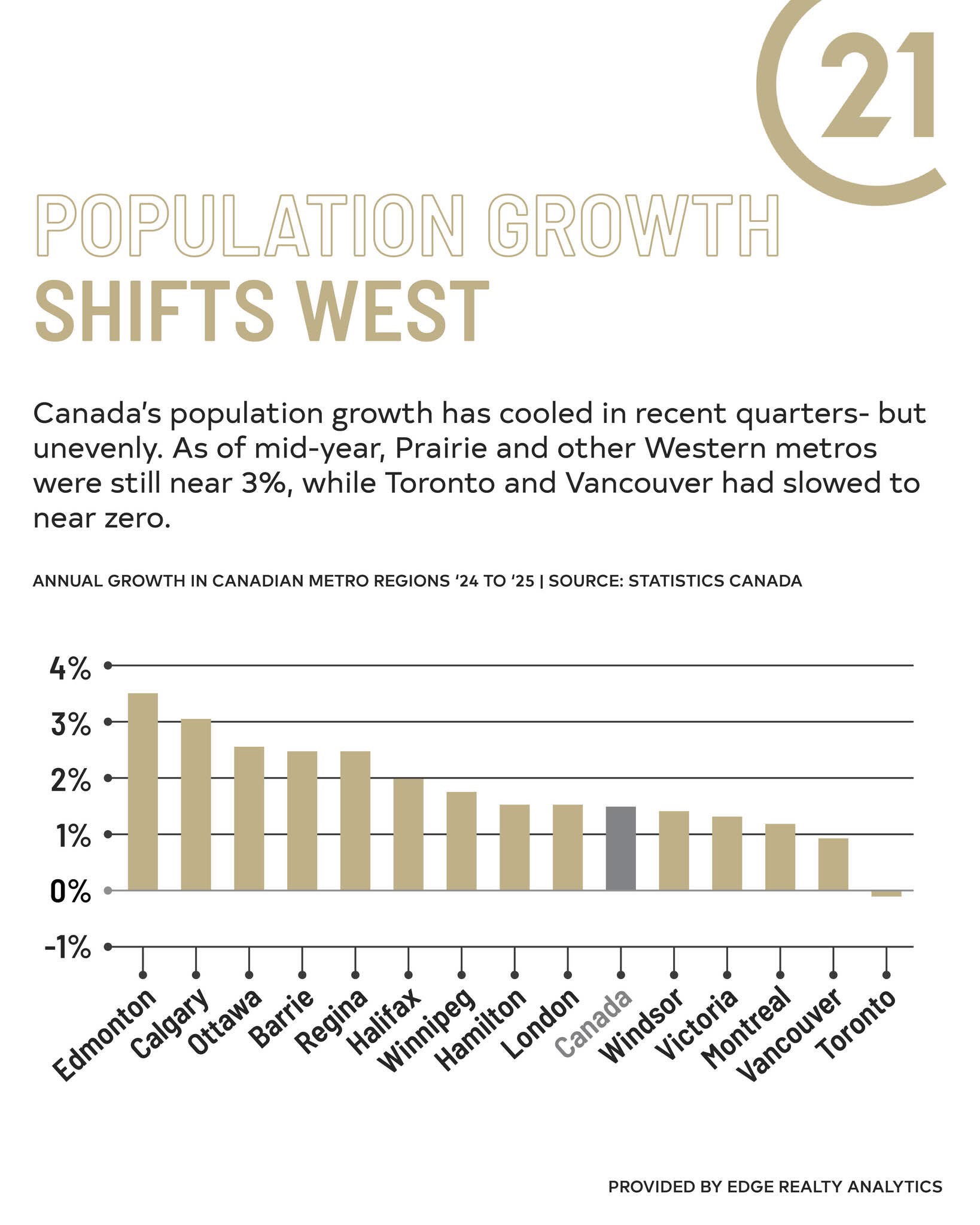
According to Statistics Canada annual growth data from 2024 to 2025, Edmonton leads all major Canadian metros at roughly 3.5%, with Calgary close behind at just over 3%. Ottawa, Barrie, and Regina are all sitting comfortably in the 2.5% range. Prairie and Western metros are, in many cases, still operating near peak momentum.
Now compare that to the other end of the spectrum. Vancouver has slowed to near zero. Toronto has actually tipped into negative year-over-year growth — meaning more people are leaving than arriving. For a city that dominated Canada’s migration narrative for decades, that’s a significant reversal.
[Chart Placeholder: Annual Population Growth in Canadian Metro Regions 2024–2025 | Source: Statistics Canada]
Where Does Halifax Fit In?
Here’s the part that matters most if you’re buying, selling, or investing in Nova Scotia:
Halifax is sitting right at approximately 2% annual growth, above the national average, and well ahead of Toronto and Vancouver.
That places Halifax in genuinely solid company. While it isn’t matching the Prairie surge, Halifax’s growth is consistent, sustainable, and critically driven by real demand: interprovincial migration, international newcomers choosing Atlantic Canada, and a post-pandemic shift in how Canadians are thinking about where they want to live.
Halifax offers what an increasing number of Canadians are actively seeking: relative affordability compared to Toronto and Vancouver, a strong job market anchored by government, healthcare, and defence sectors, a growing tech and university presence, and a quality of life that larger cities struggle to match.
If you’re thinking about what this means for your next move, explore current listings and market activity at roblough.c21.ca.
Why Population Growth Matters for Real Estate
Population growth is one of the most reliable leading indicators in real estate. Where people move, housing demand follows. Where demand concentrates, prices tend to hold or rise over time. Where populations decline or stagnate, the market softens.
This is exactly why buyers and investors looking at Prairie markets like Edmonton and Calgary right now are finding strong fundamentals — there are more people competing for housing in those cities than there were a year ago. Supply is being tested.
It’s also why the Toronto and Vancouver corrections have been sharper than many analysts expected. When you lose net population, the demand side of the equation shifts and prices have to adjust accordingly.
For Halifax, sitting at that steady 2% growth rate means the market isn’t overheating, but it also isn’t emptying out. That’s an environment where both buyers and sellers can operate with more confidence and less volatility.
What This Means If You’re a Buyer in Halifax Right Now
If you’ve been waiting on the sidelines hoping for a dramatic price correction in Halifax the way some expected in Toronto, the population data suggests you may be waiting a long time. Steady demand tends to provide a floor under prices.
That said, Halifax still offers meaningful value relative to other Canadian markets. The gap between what your dollar buys here versus in Ontario or BC remains significant — and that gap is one reason interprovincial migration into Nova Scotia continues.
Get in touch with Rob Lough to explore what your budget can get you in today’s Halifax market.
What This Means If You’re a Seller in Halifax
Steady population growth means you’re not trying to sell into a shrinking pool of buyers. Demand is real and ongoing, supported by newcomers, first-time buyers, and out-of-province purchasers who have done the math and chosen Halifax.
That doesn’t mean every property sells itself — presentation, pricing strategy, and proper marketing still matter enormously. But you’re working with the current, not against it.
Find out what your Halifax home is worth in today’s market.
The Bigger Picture: Canada’s Migration Map Is Redrawing Itself
For decades, the dominant narrative was simple: move to Toronto or Vancouver, accept the cost, and build equity. That calculus has shifted fundamentally. High prices, cost-of-living pressures, and now actual population loss in those metros are accelerating a broader redistribution of where Canadians choose to plant roots.
Prairie cities are capturing one part of that wave affordability combined with strong labour markets. Atlantic Canada, led by Halifax, is capturing another lifestyle, relative affordability, and a sense of community that urban density can’t replicate.
This isn’t a short-term blip. The population data from Statistics Canada points to structural change in how Canadians are distributing themselves across the country.
Working With the Right Local Expert Matters More Than Ever
In a shifting national landscape, local knowledge is everything. Halifax’s submarkets the HRM, East Hants, Truro each behave differently. Understanding which pockets are seeing the most buyer activity, where inventory is tightest, and how to position a property or a purchase offer requires someone who is in those markets every single day.
With 24 years of Nova Scotia real estate experience, Rob Lough and the team at Century 21 Optimum Realty are ready to help you navigate whatever the market brings.
Connect with Rob Lough at roblough.c21.ca to talk about your next move — whether you’re buying, selling, or simply trying to make sense of what’s happening in the Halifax market right now.
Related Resources
- Halifax Real Estate Listings
- Contact Rob Lough — Century 21 Optimum Realty
- Nova Scotia Market Updates & Insights
Data sourced from Statistics Canada annual population growth figures, 2024–2025. Chart provided by Edge Realty Analytics / Century 21.