Facebook
 X
X
 Pinterest
 Copy Link
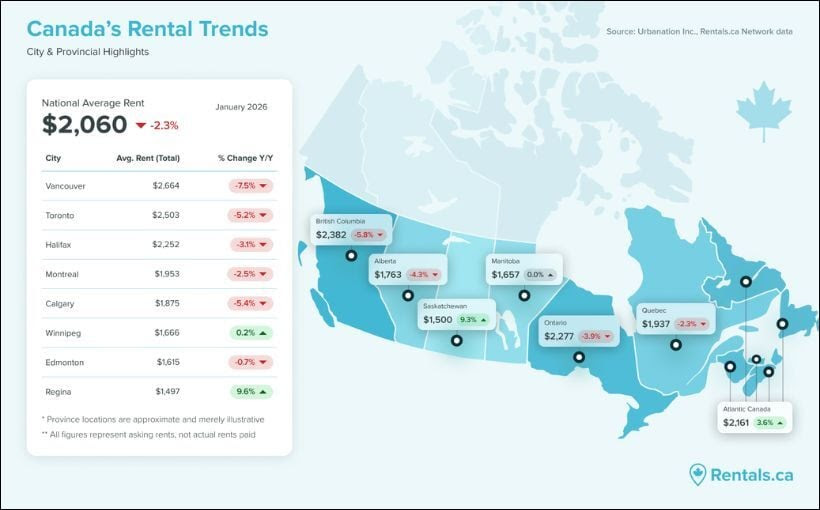
Canada’s Apartment Market Shows First Signs of Relief in 2025
After years of unprecedented tightness, Canada’s rental apartment market is finally showing signs of easing as vacancy rates climb across major cities. New data from Canada Mortgage and Housing Corporation reveals a shifting landscape that’s creating both opportunities and challenges for renters, landlords, and investors.
National Vacancy Rates Climb Above Historical Average
The national vacancy rate for purpose-built rental apartments reached 3.1% in 2025, up significantly from 2.2% in 2024. This marks the first time in years that vacancy rates have exceeded the national 10-year average, signaling a meaningful shift in market dynamics.
This increase represents a notable departure from the extremely tight conditions that defined rental markets throughout 2022, 2023, and much of 2024. The easing is primarily driven by two key factors: historically high levels of rental construction and slower population growth across the country.
Record Rental Construction Meets Slowing Demand
Canada experienced unprecedented levels of purpose-built rental apartment construction in 2024 and early 2025. Developers responded to years of extreme housing shortages by launching numerous rental projects, many supported by federal and provincial incentive programs.
However, this surge in new supply has coincided with slowing population growth and reduced immigration targets. The federal government’s decision to lower immigration levels and drastically reduce international student numbers has dampened rental demand in key markets, particularly in university towns and major urban centers.
What This Means for Renters:
The increasing vacancy rates are providing renters with more options and greater negotiating power. In markets like Toronto and Vancouver, landlords are offering incentives such as free rent periods, move-in bonuses, and reduced fees for amenities like parking and lockers to attract tenants.
What This Means for Landlords:
Property owners are facing increased competition for tenants. While vacancy rates remain manageable at 3.1% nationally, landlords in certain markets are adjusting their strategies by offering concessions and being more flexible on lease terms. The days of immediate multiple applications for every vacant unit are fading in many cities.
Rental Condo Apartments Still Tight Despite Increases
While purpose-built rental apartment vacancies have risen notably, rental condominium-apartment vacancies have also increased but remain well below purpose-built levels. This reflects the unique dynamics of the condo rental market, where individual investors face different economic pressures than institutional landlords.
Many condo investors who purchased pre-construction units in 2023 and 2024 are now dealing with higher carrying costs due to elevated interest rates, while rental rates have softened. This squeeze is causing some investors to exit the market, either by selling or converting units back to owner-occupied status.
Rent Growth Continues Despite Easing Conditions
Despite rising vacancy rates and increased competition among landlords, affordability pressures persist across Canada’s rental markets. The average rent paid by all tenants for two-bedroom units increased 5.1% in 2025, though this growth rate represents a slowdown from the 8% increases seen in 2023.
Much of this rent growth reflects higher rents applied when units turnover and are newly leased. While existing tenants often benefit from rent control protections in many provinces, new renters continue to face significantly higher costs than long-term tenants in the same buildings.
Regional Variations in Vacancy Rates
The 3.1% national vacancy rate masks significant regional differences across Canada’s rental markets. Some cities continue to experience extremely tight conditions, while others have seen more dramatic easing.
Major markets that have seen notable vacancy rate increases include Toronto, Vancouver, Montreal, and Calgary. These cities experienced the highest levels of new rental construction while also seeing the most significant impacts from reduced immigration and international student numbers.
Smaller markets and regional centers have shown more varied patterns, with some maintaining very tight conditions due to limited new construction, while others have eased due to out-migration or economic challenges.
Economic Growth Slowdown Impacts Rental Demand
Slower economic growth in 2025 has contributed to softer rental demand across Canada. GDP growth forecasts for 2025 range from 1-1.2%, constrained by continuing U.S. tariff uncertainties and the ongoing process of diversifying Canada’s export markets.
This economic slowdown has reduced employment-driven migration to major cities and dampened household formation rates, both of which typically drive rental demand. Young adults are delaying moves away from family homes, while some renters are choosing roommate situations or smaller units to manage costs.
The Outlook for Canada’s Rental Market
Looking ahead, several factors will shape Canada’s rental market trajectory in 2026 and beyond:
Continued New Supply: Purpose-built rental construction remains elevated, with significant new projects in the pipeline across major cities. Municipal, provincial, and federal incentive programs continue to encourage rental housing development, particularly in municipalities offering tax credits and reduced development fees.
Immigration Policy Changes: Federal immigration targets remain lower than the peak years of 2022-2024. Any future changes to immigration policy could quickly impact rental demand, particularly in traditional gateway cities like Toronto, Vancouver, and Montreal.
Interest Rate Environment: With the Bank of Canada having reduced interest rates to 2.25% in 2025, further cuts are unlikely in the near term given recent inflation figures. The current rate environment affects both development economics and investor appetite for rental properties. For investors looking to finance rental properties, understanding mortgage qualification requirements including GDS and TDS ratios remains critical.
Demographic Trends: Canada’s aging population continues to drive demand for certain housing types, including accessible rental units and seniors housing. This demographic shift may support rental demand even as immigration-driven growth slows.
What the Easing Means for Nova Scotia
While national trends show easing conditions, Nova Scotia’s rental market has maintained relatively tight conditions compared to larger provinces. Halifax and other regional markets continue to see strong demand driven by inter-provincial migration from Ontario and British Columbia, where housing affordability challenges are more severe.
Nova Scotia’s vacancy rates remain below the national average in most markets, reflecting the province’s continued population growth and limited rental construction in some communities. However, recent population changes in Nova Scotia and increased purpose-built rental development in Halifax may begin to provide some relief in 2026.
For detailed market performance data, see our Halifax-Dartmouth Real Estate Market Statistics 2025 analysis.
Final Thoughts
The loosening of Canada’s tight apartment market conditions in 2025 represents a significant shift after years of extreme pressure on renters. The 3.1% national vacancy rate, while still relatively low by historical standards, marks an important milestone in the evolution of Canada’s rental markets.
For renters, the improving conditions offer more choice and negotiating leverage. For landlords and investors, the changing dynamics require adjusted strategies and realistic expectations. And for policymakers, the data suggests that increased construction of purpose-built rental housing, combined with responsible immigration management, can help address Canada’s housing challenges.
As we move through 2026, continued monitoring of vacancy trends, rent growth, and new construction activity will be essential for understanding how Canada’s rental markets continue to evolve.
About the Author
Rob Lough is a Broker/Owner/Realtor® at Century 21 Optimum Realty with 25 years of experience in Nova Scotia real estate. Rob provides expert insights on rental market trends, housing affordability, and real estate investment opportunities across Halifax Regional Municipality, East Hants, and Truro.
Related Resources
- Halifax-Dartmouth Real Estate Market Statistics 2025
- Nova Scotia’s Population Decline: What It Means for Real Estate
- Canadian Mortgage Delinquency Rates in 2025
- District 104 Real Estate Analysis: Truro, Bible Hill, and Stewiacke
- The Essential Guide to Renters Insurance for Nova Scotia Tenants
- GDS vs TDS Ratios: Your Complete Guide to Canadian Mortgage Qualification
- Starting an Airbnb in Halifax